Ledger Live Wallet Secure Crypto Management and Trading
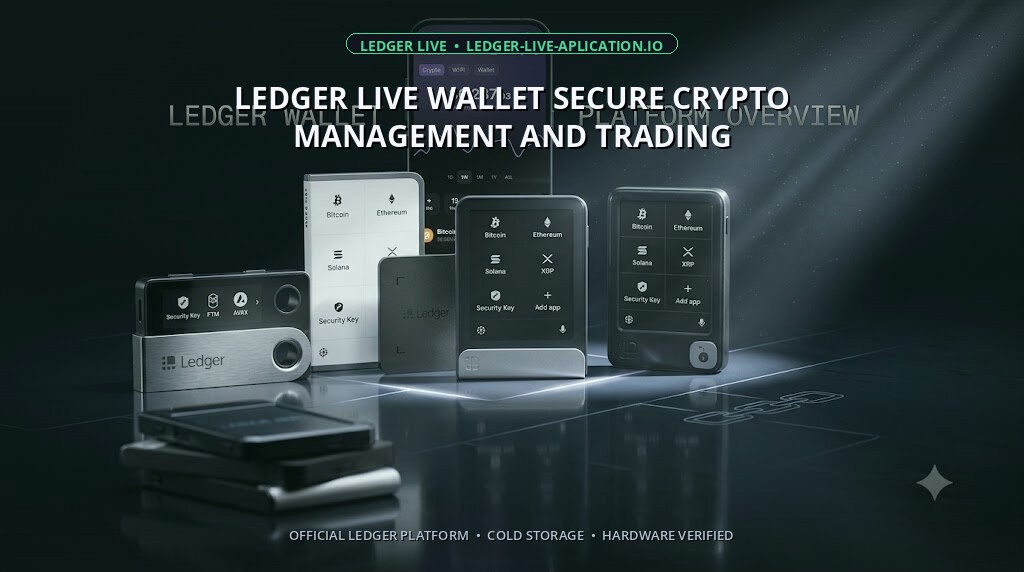
Use this secure manager for digital assets to track balances across multiple chains. It integrates directly with hardware devices, ensuring offline signing without exposing private keys. The interface consolidates portfolio data from Ethereum, Bitcoin, and 30+ other networks in real time.
Transaction previews show estimated network fees before broadcasting. Customizable fee settings allow adjustments based on urgency–lower fees for patience, higher for priority confirmations. Each operation requires manual confirmation on paired hardware, preventing unauthorized transfers even if the app is compromised.
Version 2.45 introduced staking for Tezos and Polkadot with APY projections. DeFi protocols like Aave and Compound appear in the "Discover" tab with direct access to lending pools. Always verify contract addresses manually–scammers clone legitimate platforms.
How does the manager synchronize across devices?

Encrypted metadata syncs via Secure Element chips in paired hardware. Chain indexes pull blockchain state from multiple nodes, cross-verifying data consistency. Never seen private keys remain isolated in protected storage.
What backup methods ensure recovery access?
Write the 24-word restoration phrase on steel plates, stored separately from hardware. Test recovery on a blank device before depositing funds–invalid phrases lock assets permanently. Shamir’s Secret Sharing splits backups geographically.
Which networks support token swaps?
Native exchanges aggregate rates from Paraswap and 0x API. Ethereum and Polygon handle ERC-20 conversions with 1.5% average slippage. Third-party integrations like Changelly enable cross-chain trades between Bitcoin and Monero.
| Feature | Availability |
|---|---|
| Multisig accounts | Ethereum only |
Ledger Live Wallet
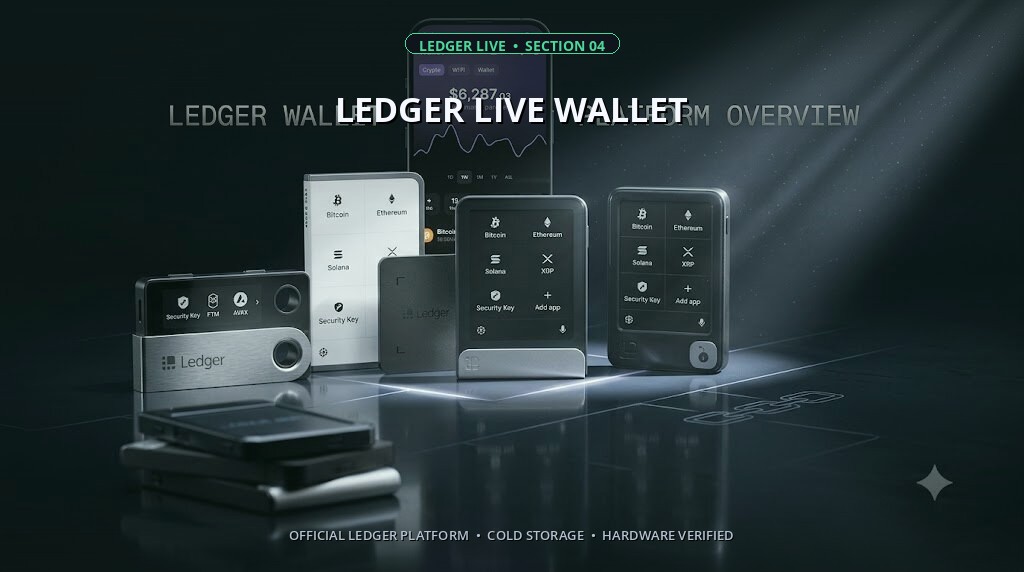
Ensure your device firmware is up-to-date before installing this application. This prevents compatibility issues and ensures optimal performance.
The software supports over 5,500 tokens, including Bitcoin, Ethereum, and Solana. You can manage multiple accounts and assets seamlessly within a single interface.
To add a new account, navigate to the "Accounts" tab and click "Add Account." Select the cryptocurrency you wish to manage, and the platform will automatically generate the necessary details.
Sync your hardware device with the application to confirm transactions securely. This step adds an extra layer of protection against unauthorized access.
Use the built-in exchange feature to swap assets directly within the platform. Supported services include Coinify, Changelly, and ParaSwap, offering competitive rates.
Backup your recovery phrase on paper and store it in a secure location. This is critical for restoring access to your funds if your device is lost or damaged.
Regularly update the software to access new features and security patches. Automatic updates can be enabled in the settings menu for convenience.
How to download and install Ledger Live on your device
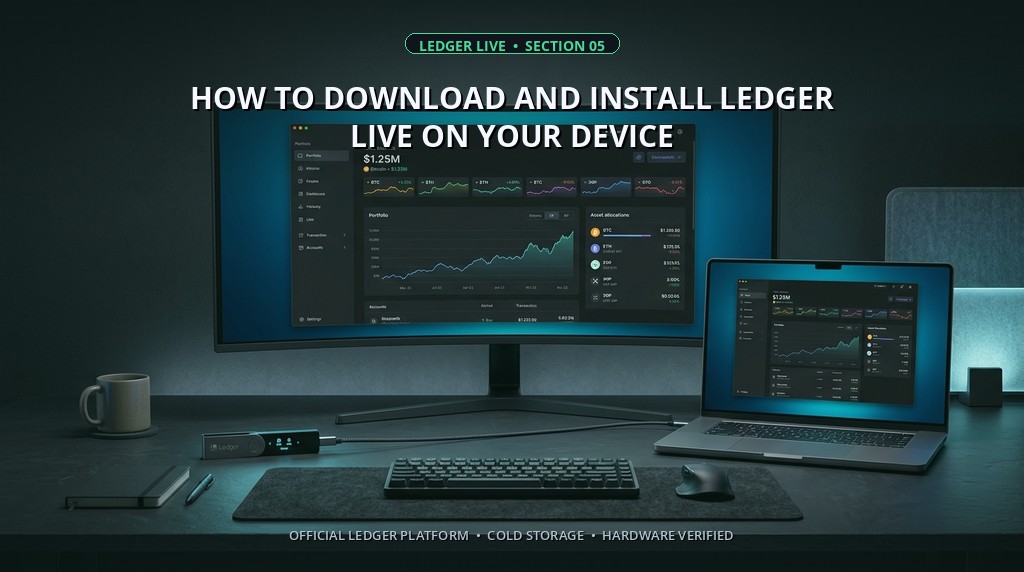
Visit the official website to ensure you’re downloading the correct version for your operating system–Windows, macOS, or Linux. Select the installer that matches your device’s specifications.
For Windows users, double-click the downloaded .exe file and follow the on-screen prompts to complete the installation. Mac users should open the .dmg file and drag the application into the Applications folder. Linux users need to make the downloaded file executable using “chmod +x” before running it.
Once installed, launch the application and proceed to set up your account. Ensure your device is updated to the latest firmware version before connecting it for synchronization.
Always verify the integrity of the downloaded file by checking the SHA-256 hash provided on the official site. This step ensures the software hasn’t been tampered with during the download process.
Setting up a new cryptocurrency wallet in Ledger Live
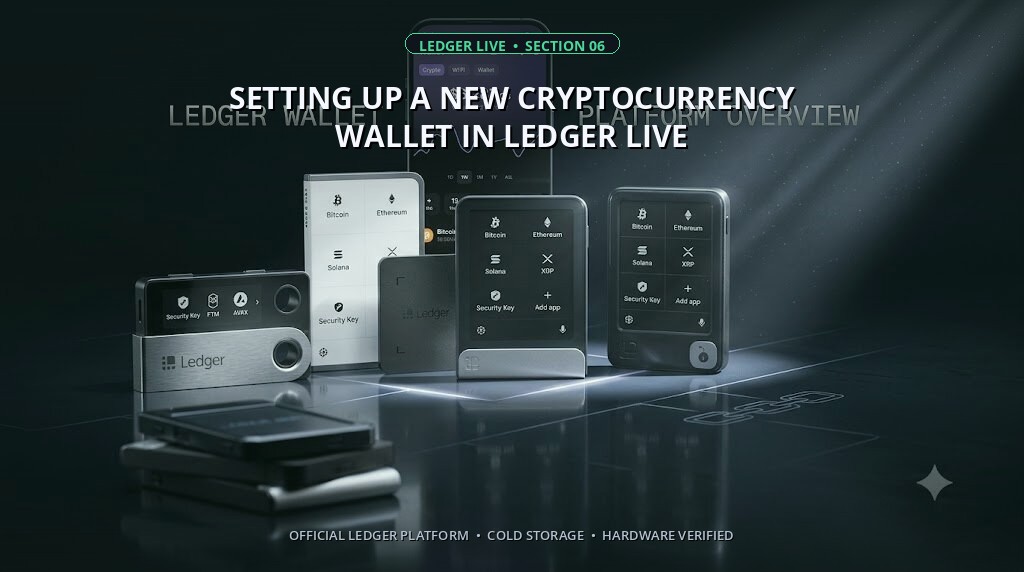
Install the latest version of the app from the official website before connecting your hardware device for the first time.
Launch the application and select "Add account" from the dashboard; the system automatically detects supported coins when your device is connected via USB.
During initial setup, write down the 24-word recovery phrase on the provided cardstock sheet–never store it digitally or share it through any online channel.
Enable two-factor authentication through the security settings; most users skip this step but it prevents unauthorized access even if your password leaks.
The fee estimation tool adjusts transaction costs dynamically–pull fresh blockchain data by clicking the refresh icon before sending to avoid underpaying miners.
Customize your dashboard by pinning frequently used assets; this saves navigation time compared to searching through the full assets list each visit.
Check firmware compatibility before adding obscure tokens; some require manual contract address entry–find verified ones on the project's official documentation.
| Action | Time Required | Consequences if Skipped |
|---|---|---|
| Recovery phrase verification | 2 minutes | Unable to restore funds if device fails |
| Transaction memo field | 15 seconds | Exchange deposits may credit incorrectly |
For XRP or Stellar accounts, always include destination tags when receiving–exchanges use these to match deposits to user accounts automatically.
Connecting your Ledger hardware wallet to Ledger Live
Ensure your device is powered on and unlocked before establishing a connection.
Use the original USB cable provided with your device to minimize compatibility issues. Insert one end into your computer and the other into the hardware storage unit. Avoid using third-party cables, as they may not support data transfer.
Open the application on your desktop or mobile device. Navigate to the section labeled "Manager" to verify software updates. If an update is available, follow the on-screen prompts to install it. Keeping the application and firmware synchronized is critical for seamless functionality.
If the connection fails, check the USB ports for debris or damage. Restart both the hardware device and the application. Confirm that Bluetooth is enabled if using a wireless connection on mobile devices.
Once connected, review the dashboard to ensure all assets are displayed correctly. Tap "Add Account" to integrate multiple cryptocurrencies. Synchronization may take a few moments, depending on the network speed.
For troubleshooting advanced issues, consult the official support documentation or community forums. Avoid unofficial guides, as they may contain outdated or incorrect instructions.
Managing multiple crypto accounts in Ledger Live
To add a new crypto account, click the "Add Account" button, select the desired cryptocurrency, and confirm the action using your hardware device. Each account operates independently, allowing you to track balances and transactions for different assets without overlap.
You can group accounts by cryptocurrency type or rename them for easier identification. Simply click the account name, edit it, and save. This is particularly useful if you hold multiple addresses for the same asset or manage portfolios for different purposes.
For advanced users, custom tokens and unsupported assets can be added manually by entering contract addresses and token details. Always verify information directly from official sources to ensure accuracy and security.
Sending and receiving cryptocurrencies with Ledger Live
To send funds, navigate to the "Send" tab, select the asset, input the recipient’s address, and specify the amount. Always double-check the address before confirming the transaction.
Receiving assets involves accessing the "Receive" tab, choosing the desired cryptocurrency, and sharing your unique address with the sender. Ensure the address matches the specific coin or token you’re expecting.
Transactions require confirmation on the hardware device for added security. This step ensures that only authorized users can initiate transfers.
Fees vary depending on network conditions and the asset being transferred. You can adjust fees to prioritize speed, but higher fees may increase transaction costs.
For supported coins, the app integrates QR code functionality for easier address sharing. Scanning QR codes minimizes the risk of manual entry errors.
Be cautious when handling memos or tags for certain assets like XRP or XLM. These are essential for identifying the recipient’s account but can lead to loss of funds if omitted.
Transactions can take varying times to process, depending on network congestion. Bitcoin transfers, for example, may take longer during peak periods compared to Ethereum-based tokens.
For detailed guidance on advanced features, refer to the official documentation at Ledger Support.
Using the Ledger Live exchange feature to swap crypto
Connect your hardware device directly to the app to ensure secure transactions when swapping assets. This process bypasses intermediaries, reducing risks associated with third-party platforms. Always verify the exchange rate and fees displayed before confirming the transaction.
The built-in integration with major providers like Changelly and Wyre allows instant swaps across supported cryptocurrencies. Supported pairs include BTC, ETH, and stablecoins such as USDT, ensuring flexibility for diverse portfolios. Note that availability may vary based on your region and local regulations.
For optimal security, double-check the destination address and ensure your firmware is up to date before initiating any swaps. Transactions are irreversible, so accuracy is critical. This feature simplifies diversification while maintaining the highest security standards.